
Hubodometer for Trailers: Why Accurate Mileage Tracking Matters for Fleet Management
- Hubodometer
- Comments Off on Hubodometer for Trailers: Why Accurate Mileage Tracking Matters for Fleet Management
- Posted on
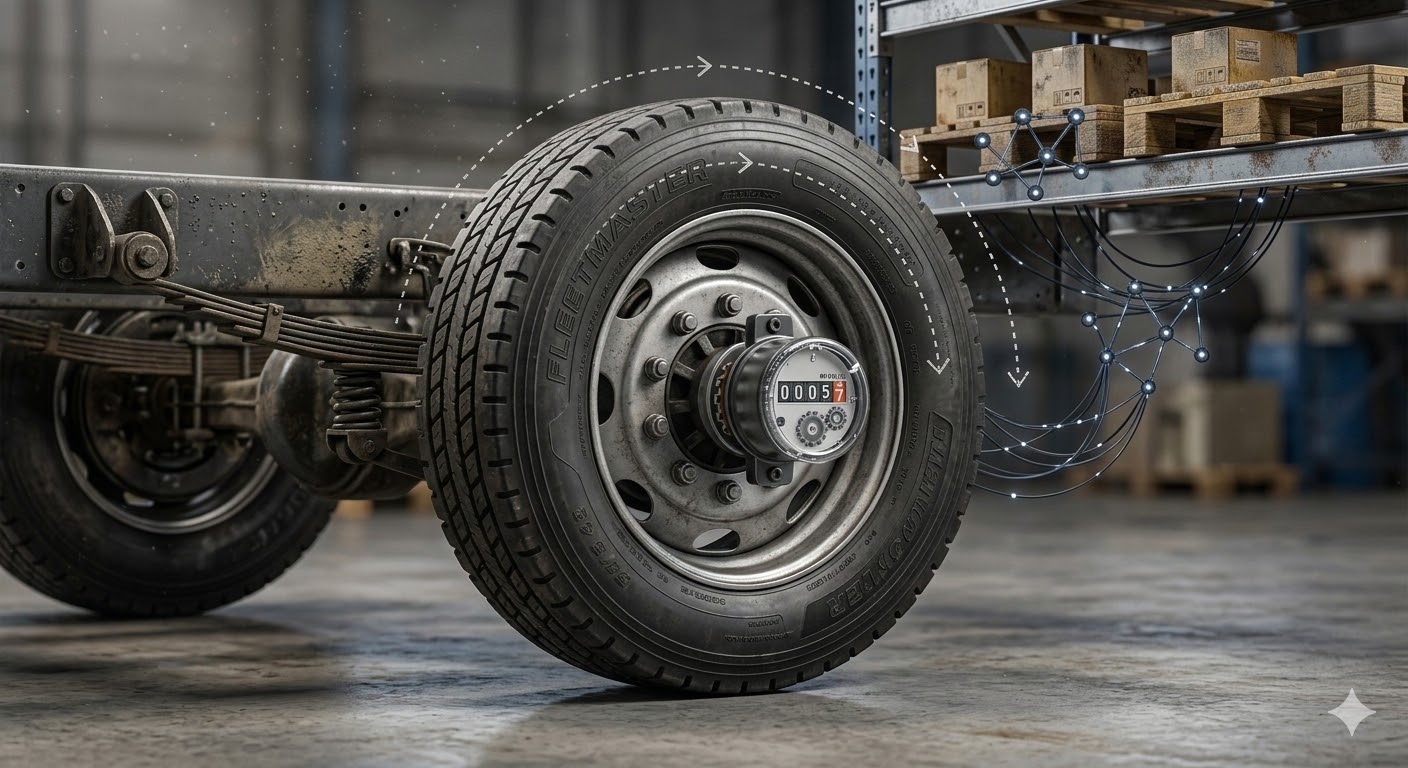
In logistics, construction, and equipment rental industries, accurately tracking trailer usage is essential for maintenance planning, billing, and operational efficiency. Unlike trucks, many trailers do not come with built-in odometers, making it difficult to monitor mileage and service intervals.
This is where a hubodometer becomes an essential tool. A hubodometer for trailer applications allows businesses to track distance traveled directly from the wheel hub, providing a reliable and tamper-resistant way to monitor trailer usage.
For fleet managers, maintenance teams, and logistics operators, understanding how hubometers for trailers work can significantly improve operational transparency and asset management. This article explains what a hubodometer is, how it functions, and why it has become a critical component in modern trailer fleet operations.
What’s a Hubodometer or Hubo
A hubodometer—sometimes referred to as a hubometer for trailers or simply a “hubo”—is a mechanical or electronic device installed on a trailer wheel hub that records the distance the wheel travels. Because it is attached directly to the wheel assembly, it measures mileage based on wheel rotations.
This design makes hubodometers particularly valuable for trailers, which typically lack engine-powered odometers like trucks.
Hubodometers are widely used in industries such as:
- Freight and logistics
- Equipment rental
- Construction transport
- Agricultural operations
- Fleet leasing
For example, a trailer rental company might use a hubodometer for trailer monitoring to charge customers based on mileage usage rather than just rental time. This ensures fair billing and accurate asset tracking.
Unlike GPS tracking systems that rely on connectivity, hubodometers operate independently and continue recording mileage regardless of signal availability.
Companies seeking reliable mileage tracking solutions can explore options like Valcrum hubodometers designed specifically for trailer applications, which are built to withstand heavy-duty operating conditions.
What Is a Hubodometer and How Does It Work
A hubodometer works by counting wheel rotations and converting them into distance traveled. The device is typically mounted on the wheel hub or axle end cap of a trailer.
Basic Operating Principle
Each time the wheel completes a rotation:
- The hubodometer mechanism detects the rotation.
- Internal gears or digital sensors count the movement.
- The device converts rotations into miles or kilometers.
- The accumulated distance is displayed on the meter.
Because the measurement is tied directly to wheel movement, the recorded mileage reflects the actual distance traveled by the trailer.
Key Components of a Hubodometer
Most hubodometers consist of:
- Mounting hardware attached to the hub or axle
- Mechanical gears or electronic sensors
- A protective housing to resist dirt, water, and debris
- A mileage display
Heavy-duty hubodometers are designed to operate in challenging environments, including extreme temperatures, road vibration, and exposure to dust or moisture.
Mechanical vs. Digital Hubodometers
Businesses can typically choose between two main types:
Mechanical Hubodometers
- Traditional gear-driven system
- Highly durable and simple
- No power source required
- Common in rugged fleet environments
Electronic Hubodometers
- Digital sensors and displays
- Higher precision in some models
- May integrate with fleet management systems
Selecting the right device depends on trailer usage, operating conditions, and tracking needs. A helpful guide on evaluating different models can be found in this article , this overview on choosing the right hubodometer, which explains the factors that influence performance and durability.
Why You Need a Hubodometer
For businesses managing trailers or non-powered assets, mileage tracking is critical. Without an onboard odometer, organizations must rely on estimates or manual logging—both of which introduce errors.
A hubodometer for trailer fleets solves this problem by providing accurate, automatic mileage tracking.
1. Improved Maintenance Scheduling
Regular maintenance is essential to prevent breakdowns and extend trailer lifespan.
Hubodometers help track:
- Tire wear
- Brake maintenance intervals
- Wheel bearing service
- Suspension inspections
Instead of relying on calendar-based maintenance, fleet managers can schedule service based on actual usage.
2. Accurate Billing for Rental Equipment
Companies renting trailers or equipment often charge based on distance traveled.
A hubometer for trailers ensures transparent billing by:
- Recording exact mileage
- Preventing disputes with customers
- Eliminating manual tracking errors
This is particularly useful for industries such as equipment leasing and construction transport.
3. Better Asset Utilization Tracking
Fleet managers need visibility into how often trailers are used.
Hubodometers provide valuable insights such as:
- Which trailers are used most frequently
- Which assets remain underutilized
- How usage patterns change over time
This information supports better fleet investment decisions.
4. Tamper-Resistant Tracking
Because hubodometers are mounted directly on the wheel hub, they are difficult to manipulate.
This makes them reliable for:
- Contract mileage verification
- Lease agreements
- Equipment usage monitoring
5. Reduced Operational Risk
Unmonitored trailers can easily exceed safe maintenance intervals, increasing the risk of mechanical failures.
A hubodometer ensures that mileage data is always available, helping businesses maintain safer fleets and avoid costly downtime.
Conclusion
In industries that depend on trailers for transportation, logistics, or equipment movement, accurate mileage tracking is essential for efficiency and cost control. Since trailers typically lack onboard odometers, a hubodometer provides a simple yet highly effective solution.
By installing a hubodometer for trailer monitoring, businesses gain reliable data for maintenance scheduling, billing accuracy, and fleet utilization analysis. Whether using mechanical or digital devices, hubometers for trailers help organizations manage assets more effectively and reduce operational uncertainty.
For companies operating fleets or rental equipment, investing in hubodometer technology can improve transparency, streamline maintenance planning, and support smarter fleet management decisions.…